
Sleep Is the Skill
A case study on sleep, travel, and working at full capacity

If you work remotely while traveling (or travel frequently for work) you already know:
the logistics are manageable, but the energy cost is real.
Over the holidays, I moved through six cities in four weeks, all while working full days alongside time with family, friends, and loved ones. From Lisbon to Portland, Seattle, Whidbey Island, Mammoth, San Francisco, and back to Lisbon, it’s a rhythm many professionals know well, only the cities and reasons change.
Knowing how demanding this stretch would be, I treated it as a case study; observing how sleep separates sustained performance from gradual burnout while traveling. This post outlines the four sleep strategies I relied on throughout four weeks on the road.
The trip starting out Christmas Eve, flying from Lisbon to Portland in time to open presents with my brother (see video below).
From Portland I traveled to Seattle in time for a New Year’s cold plunge in the Puget Sound with my sister, brother-in-law, and nephew.
Every year, I begin day one with an ocean swim; a ritual that washes away the old and clears the slate for what’s ahead. While it wasn’t part of my case study, cold-water immersion is a powerful tool for reducing stress, which directly impacts sleep quality. When sleep erodes, everything suffers: focus, patience, decision-making, communication, and immune health. When sleep is protected, travel becomes not only workable, but genuinely enjoyable. So given the opportunity, dive in!


The Reality for Traveling Professionals
Working while traveling adds layers most people underestimate:
Irregular work hours
Time zone shifts
Long travel days followed by immediate productivity demands
Late dinners, social obligations, networking
Constantly changing sleep environments
Without intentional sleep strategy, the nervous system never fully powers down. That’s why for professionals on the move, sleep isn’t passive, it’s designed.
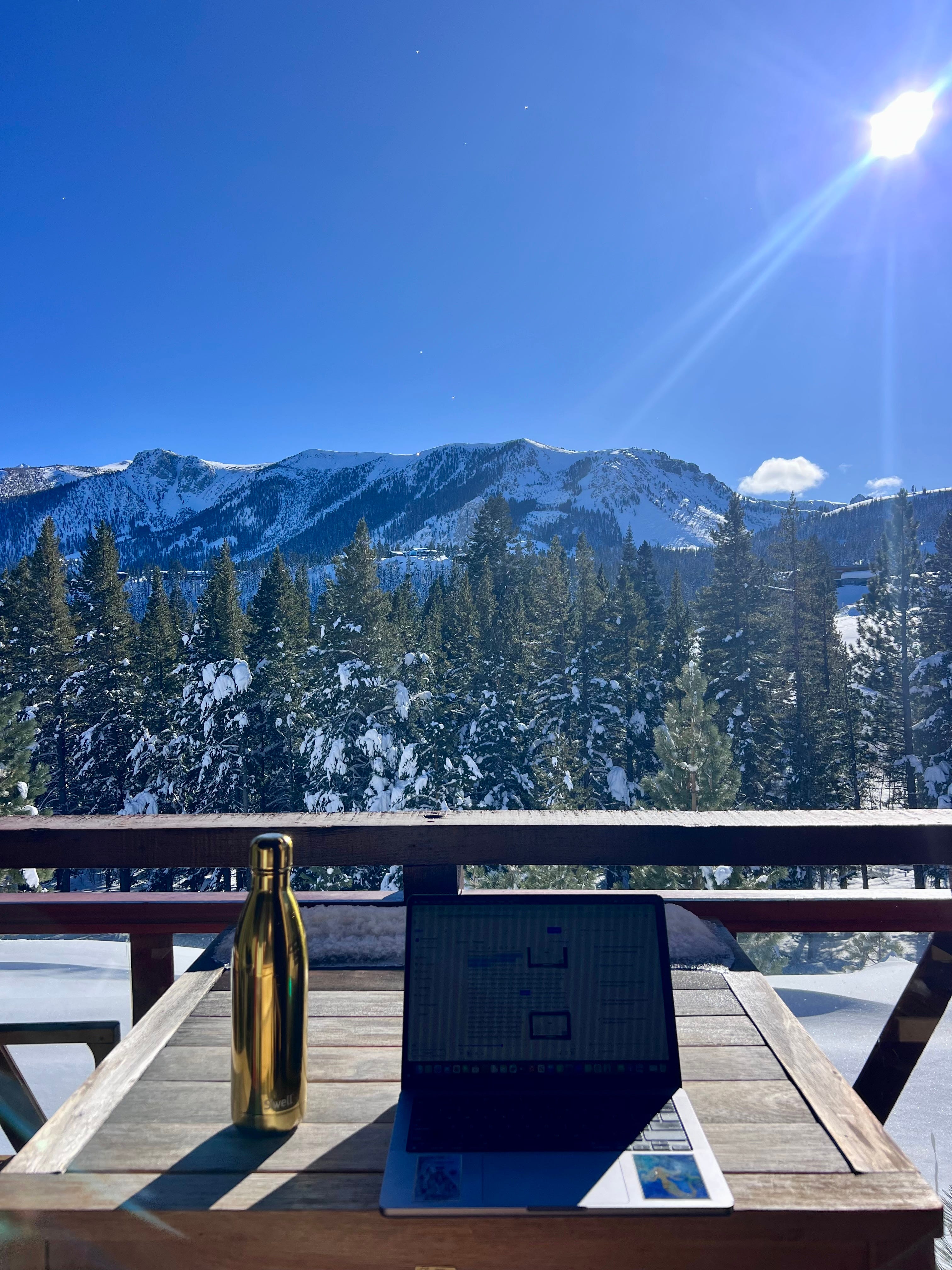
Case Study: Six Destinations, Full Workdays, Social Schedule, Intentional Sleep Routine
Rather than relying on consistent conditions, I rely on repeatable systems. The location changes; the practices stay the same. Below is the framework I used as a case study for maintaining quality sleep while traveling through the holidays.
Sleep Begins with a Clear Workday Close
One of the biggest sleep disruptors for traveling professionals is mental carryover, or unfinished tasks looping in the mind.
My practice: Before evening plans or downtime, I formally close the workday.
Write tomorrow’s top 3 priorities
Close all work tabs
Consciously name the end of work
When the brain feels complete, sleep comes faster.
A Portable Wind-Down Routine
No matter the city, I followed the same sequence. Consistency is what teaches the body to rest, even in unfamiliar places.
Warm Shower
Especially after flights or long sitting, heat relaxes muscles and supports sleep onset.Skincare as a Transition Cue
This marks the shift from professional and social roles into rest. Familiar movements calm the nervous system.Gratitude Reflection
Reflect on the things that are going well. This helps quiet the monkey mind and eases anxious thoughts that might bubble up around bedtime.Screens Off 30 Minutes Before Bed
This protects melatonin production and sleep depth (critical when schedules are already irregular).
Designing Sleep in Changing Environments
Since the environment is unpredictable, I travel with control tools.
Eye Mask or Sound Machine
Instant regulation of light and sound in hotels, homes, or shared spaces.Cool Room Temperature
Supports deeper, more restorative sleep cycles.One Familiar Anchor
Same pajamas, scent, or tea, small constants that tell the body it’s safe to rest.
Emotional Regulation Improves Sleep Quality
Traveling professionals aren’t just managing tasks, they’re managing people, conversations, and expectations.
Before bed, I ask:
What can I release tonight?
What doesn’t need to come with me tomorrow?
Sleep improves when the nervous system feels resolved, not rushed.
The Takeaway
This holiday travel schedule reinforced a core truth for anyone working remotely while traveling or traveling for work:
Sleep is not downtime.
Sleep is performance infrastructure.
When you protect it, you show up sharper in meetings, steadier in decisions, more present with people, and more resilient on the road.
No matter where work takes you, let sleep be the system that holds it all together.